Step 1
Estimate & Damage Review
We document visible damage, discuss next steps, and coordinate with your insurance carrier when applicable.

Tesla Approved Collision Repair
Factory-trained collision repair for Tesla vehicles, with the specialized tools, diagnostics, materials knowledge, and EV-safe procedures required to restore more than appearance.
A Tesla is an integrated electric vehicle in which the body structure, high-voltage system, cameras, sensors, software, and exterior panels all contribute to how the vehicle performs. After a collision, the visible damage may be only part of the repair. Wagner Certified Collision Center follows Tesla repair information and model-specific procedures to evaluate structural, mechanical, electrical, and cosmetic damage as a complete system. Our repair planning process is designed to identify what must be repaired, replaced, scanned, calibrated, or documented before your Tesla is returned to the road.
Repair Standards
Modern vehicles are engineered as integrated s crumple zones, airbags, cameras, radar sensors, high-voltage components, and onboard software all work together to protect occupants and support the way a vehicle drives. After a collision, making the exterior look right is only part of the repair. The work must also restore the vehicle’s structure, safety systems, fit, finish, and performance.
Manufacturer certification demonstrates that a collision center has invested in the training, equipment, repair information, facility standards, and ongoing requirements established by the automaker. Certified repair planning is specific to the vehicle being repaired—not based on a one-size-fits-all approach.
At Wagner Certified Collision Center, our manufacturer certifications help ensure that repairs are developed around documented OEM procedures. That can include brand-specific structural measurements, approved welding and attachment methods, material-specific repairs, diagnostic scanning, high-voltage safety procedures, and calibration of advanced driver-assistance systems.
The Repair Journey
We document visible damage, discuss next steps, and coordinate with your insurance carrier when applicable.
The vehicle is carefully disassembled so hidden damage can be identified and the repair plan finalized.
Technicians restore the vehicle using manufacturer-informed procedures, equipment, and repair methods.
Paint, parts, electronics, and safety systems are restored, scanned, and calibrated as required.
The repair is inspected, cleaned, and reviewed with you before delivery.
Specialized Capability
Tesla-approved repairs require dedicated training, tooling, documentation, and strict control of the materials and components used throughout the repair.
EV-trained technicians follow the required precautions for safe vehicle power-down, battery-area evaluation, and repair operations near high-voltage components.
Tesla body structures use model-specific combinations of aluminum and steel that require approved joining methods, dedicated tools, and controlled repair techniques.
Pre-repair diagnostics, post-repair verification, and applicable camera or sensor calibrations help confirm that affected vehicle systems are operating as designed.
Tesla repair procedures specify the correct parts, fasteners, structural adhesives, welds, and consumables for each repair location.
Accurate measuring, documented repair steps, panel-fit checks, and final inspections support structural integrity, fit, finish, and vehicle function.
Why Choose Us
Choosing a collision center is about more than finding a shop that can replace damaged panels and match the paint. Today’s repairs may involve high-strength steel, aluminum, carbon fiber, electric-vehicle systems, computerized measuring, diagnostic scanning, and sensitive safety technology.
Wagner Certified Collision Center combines decades of collision-repair experience with manufacturer-specific training, modern equipment, and one of the most extensive certification portfolios in Central Massachusetts. Our Worcester facility is prepared to repair vehicles from leading domestic, import, luxury, and electric manufacturers using repair plans developed around the needs of each vehicle.
From the initial estimate through disassembly, structural repair, refinishing, reassembly, diagnostics, calibration, and final quality checks, our team works to restore your vehicle safely and correctly. We also communicate with insurance companies throughout the process, document additional damage when it is discovered, and keep customers informed as the repair progresses.
Wagner Certified Collision Center is a Tesla Approved Collision Center serving Worcester and drivers throughout Central Massachusetts and New England. Certification means more than being willing to work on an electric vehicle: it requires Tesla training, specialized equipment, approved repair information, and an ongoing commitment to Tesla standards. Our team coordinates the repair plan with your insurer, keeps you informed as work progresses, and completes a thorough final quality-control process before delivery. From cosmetic panel damage to complex structural repairs, we focus on returning your Tesla to its originally engineered state of safety, performance, fit, and appearance.
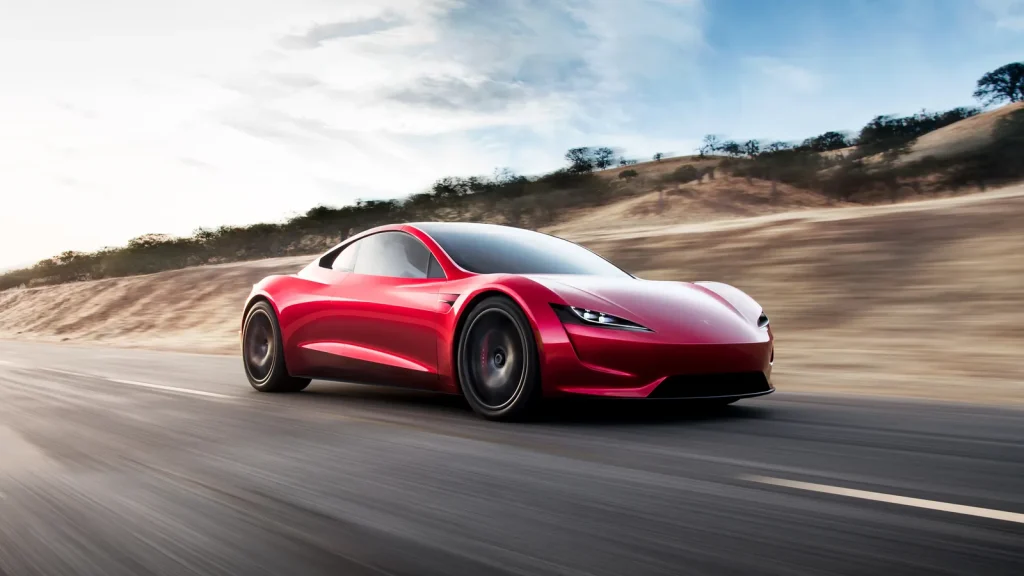
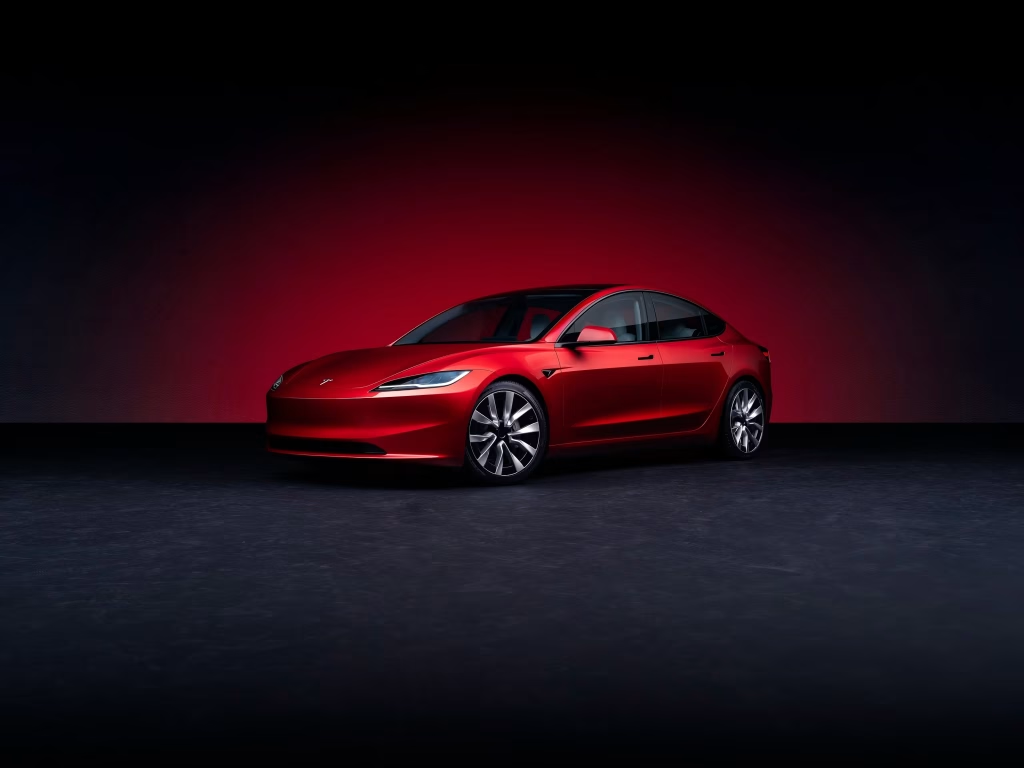
“I brought my 2026 Tesla Model Y to Wagner Certified Collision for body work after a minor collision, and the service was outstanding. I received regular, weekly updates on the progress, and all of my phone calls were promptly answered. The estimated completion date was set right from the start, and they followed through perfectly. I picked up the car today, and the quality of the repair seems absolutely top-notch. I highly recommend them!”Elias, via Google
Helpful Answers
Tesla-approved facilities have the training, tools, repair information, and operating standards required for Tesla collision work.
Yes. We evaluate the vehicle and follow the applicable Tesla procedures for repair or replacement of damaged structural components.
Many repairs require diagnostics, system checks, or calibration of cameras and sensors. The requirements depend on the damage and procedures involved.
Yes. Our team documents the repair plan and communicates with your insurer while advocating for the procedures and parts needed for a proper repair.
Generally, you may select the registered collision repair shop you trust. Massachusetts direct-payment rules allow claimants to choose a repair shop whether or not it participates in an insurer’s referral program. An exception may apply if you voluntarily purchased an optional participating-repair-shop endorsement that limits benefits when a nonparticipating shop is selected. Review your policy or ask your insurer whether such an endorsement applies.
Yes. We work with insurance companies throughout the repair process, including appraisals, documentation, supplements, and repair-plan discussions. Your insurance company determines what is covered under your policy, while our responsibility is to identify and document the operations necessary to repair your vehicle properly.
Manufacturer certification means the collision center has met requirements established by an automaker. Depending on the program, those requirements may include technician training, specialized equipment, access to OEM repair information, facility standards, approved materials, ongoing education, and periodic inspections or audits.
We plan certified repairs around manufacturer procedures and use genuine OEM parts whenever they are required, appropriate, available, and authorized. Massachusetts insurance appraisals may specify used, rebuilt, or aftermarket parts under certain circumstances. When a part or procedure affects safety, fit, function, calibration, or manufacturer requirements, our team documents those considerations and discusses the repair plan with the insurer and vehicle owner.
An initial insurance estimate is generally based on the damage that can be observed before the vehicle is disassembled. A complete repair plan may require removal of damaged panels, measurements, diagnostic scans, OEM procedure research, and inspection of hidden areas. The final scope can therefore include operations or parts that were not visible during the first appraisal.
A supplement is a documented request for additional parts, labor, materials, or procedures discovered after the initial estimate. Hidden structural damage, damaged brackets, one-time-use components, required scans, calibrations, and manufacturer-specified operations are common reasons a supplement may be needed. Wagner works with the insurer to document and review these additional requirements.
It may. Many vehicles use cameras, radar units, ultrasonic sensors, steering-angle sensors, restraint-system modules, and other electronic components that can be affected by a collision or repair. Depending on the vehicle and the work performed, OEM procedures may require pre-repair scanning, post-repair scanning, programming, aiming, initialization, or static or dynamic calibration.
Yes. Wagner Certified Collision Center is certified for electric-vehicle collision repair, including manufacturers such as Tesla and Rivian. EV repair requires additional precautions involving the high-voltage system, battery area, charging components, vehicle isolation, diagnostics, temperature considerations, and manufacturer-specific repair restrictions.
No. A photo estimate is a convenient starting point based on visible damage. It cannot always reveal damage behind bumpers, panels, trim, structural components, sensors, or mechanical assemblies. A final repair plan may change after an in-person inspection, diagnostic evaluation, measurements, or disassembly.
Repair time depends on the type and severity of damage, parts availability, insurance approvals, structural work, refinishing requirements, diagnostic procedures, calibrations, and final quality-control checks. Once the vehicle has been inspected and the repair plan is developed, our team can provide a better understanding of the anticipated process and timing.
Massachusetts consumers have several protections when working with an auto repair or collision business. These include the right to receive repair information, authorize the work, receive a written estimate in applicable situations, receive an itemized bill, avoid misleading repair practices, request replaced parts, and have deficient repair work corrected as required by law. Collision repair businesses performing damage repair for compensation must also be properly registered with the Commonwealth.
Not in every claim. Massachusetts regulations allow insurance appraisals to specify used, rebuilt, or aftermarket parts in certain circumstances, provided applicable requirements are followed. Vehicle safety, mileage, pre-accident condition, parts availability, overall cost, and manufacturer repair requirements may affect the decision. Our team reviews the proposed parts and documents any fit, safety, operational, or certification-related concerns.
When hidden or previously unknown damage is discovered, the shop prepares an itemized supplemental appraisal and supporting documentation. The insurer then reviews the request and may inspect the vehicle before authorizing or denying additional payment. We communicate with you when the repair scope or coverage decisions materially change.
The insurance company determines whether the vehicle is considered a total loss based on its actual cash value, estimated repair cost, anticipated supplements, and salvage value. Wagner can document the vehicle’s damage and repair requirements, but the valuation and coverage decision are made by the insurer under the applicable policy and Massachusetts regulations.
Start Here
Talk with our collision repair team or request an estimate today.